The Signature Comforts of a Great Southern Restaurant
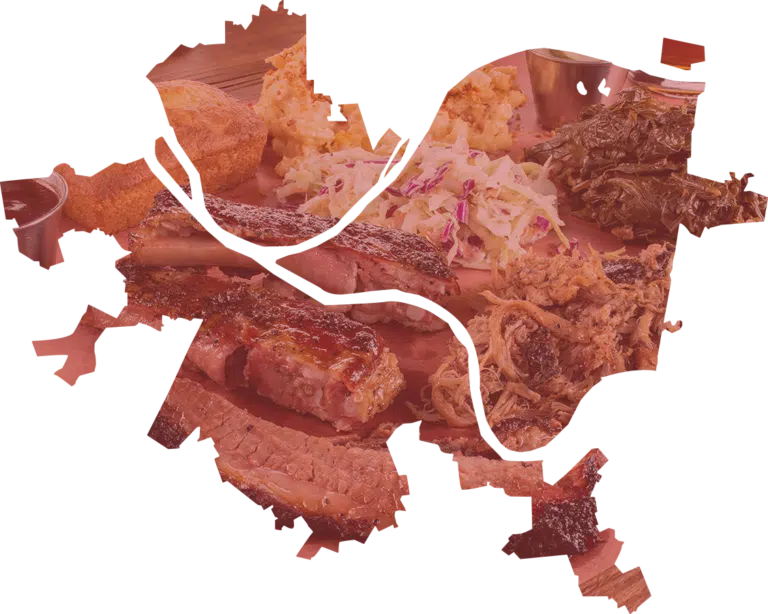
The best Southern restaurant begins working on you before the first plate lands on the table. It starts at the door, often with a small shift in pace. The room may be lively, the kitchen may be moving hard, but the guest never feels hurried. You notice the sound of conversation rather than the clatter of service. You smell stock simmering, biscuits baking, onions softening in a skillet. Someone makes eye contact and welcomes you like your arrival mattered.
That feeling is not accidental. It is built from dozens of disciplined choices, many of them invisible to diners who simply register that they feel good there. Great Southern cooking has always carried more than flavor. It carries memory, place, thrift, pride, and a certain kind of generosity. A restaurant that serves this food well has to understand all of that, not just the recipes.
People often reduce Southern dining to comfort food, and there is truth in that phrase, but it can be too flimsy for what the best places actually do. Comfort is part of it, certainly. So is abundance. So is familiarity. Yet the signature comforts of a serious Southern restaurant run deeper than a plate piled high. They come from restraint as much as richness, from hospitality that feels personal rather than performative, and from a kitchen that knows the difference between indulgence and excess.
Comfort begins with a sense of being expected
There is a particular ease that good Southern service creates. It does not hover. It does not recite hospitality as a script. It feels like a practiced instinct to make room for people. Water appears quickly. Tea stays filled. Questions get answered without a speech. If a guest is torn between shrimp and grits and country fried steak, the server can guide them with confidence because they have actually tasted both and know who prefers what.
This matters more than people admit. Southern food tends to arrive with emotional freight. Guests order dishes tied to family memory, church suppers, roadside diners, holiday tables, and recipes from people no longer alive. When someone orders chicken and dumplings, they are not only ordering chicken and dumplings. They are often asking, quietly, whether this place understands what that dish is supposed to mean. Service that is too slick can break that spell. Service that is careless can do even more damage.
The strongest dining rooms strike a subtle balance. They are warm without becoming familiar in the wrong way. They know when to chat and when to step back. They understand that an older guest who wants decaf coffee and a quiet booth deserves the same attention as a younger table celebrating over bourbon cocktails and hot chicken. Hospitality, in this context, is not a performance style. It is situational awareness.
I have seen talented operators miss this point by focusing too much on visible charm. The room had mason jars, reclaimed wood, vintage signs, and servers trained to say all the right things. What it did not have was grace under pressure. When the wait stretched, people stopped feeling cared for. When the kitchen fell behind, no one reset expectations. Southern hospitality becomes real only when it survives a busy Saturday night.
The room should invite you to stay
A Southern restaurant does Southern restaurant not need to look rustic, and it certainly does not need to trade in clichés. In fact, some of the most convincing versions are clean-lined, urban, and contemporary. What they share is not a decorative formula but a physical ease. Chairs are comfortable enough for dessert. Lighting is flattering but bright enough to read the menu. The music supports the room rather than announcing itself. Temperature is taken seriously, which sounds minor until you have tried to enjoy braised greens in a dining room cold enough to make the food lose heat in minutes.
There is also a practical intelligence to these spaces. Tables are set far enough apart that conversation feels private. The bar may hum, but it does not spill chaos into every corner. Restrooms are maintained with care, because a well-run restaurant reveals itself there as surely as on the plate. None of this is glamorous. All of it contributes to comfort.
Southern dining, at its best, carries an element of lingering. Not loitering, not turning one table into an all-night camp, but lingering long enough for another round of cornbread, another cup of coffee, maybe a slice of pie because someone at the table changed their mind and said yes. A room that understands its own rhythm makes that possible.
Bread on the table tells the truth fast
If you want to know whether a Southern restaurant is serious, pay attention to what arrives before the entrées. Biscuits, cornbread, hoecakes, hushpuppies, or rolls are not side notes in this cuisine. They are a statement of standards.
A proper biscuit should not crumble into dry despair at the touch of a knife, nor should it be so dense that it eats like a scone Southern restaurant walterspgh.com with identity issues. The best ones are layered and tender, rich but not greasy, with enough structure to hold butter, jam, honey, or sausage gravy. Cornbread carries its own debates, of course. Sweet or not sweet, cakey or crumbly, skillet baked or pan baked, white cornmeal or yellow. Reasonable people disagree. What matters is intention and execution. Bad cornbread tastes like neglect. Good cornbread tastes like someone cared about the meal before the main course even began.
This opening gesture also signals how the kitchen thinks about starch and fat, which are central to the cuisine. Southern food can be heavy in careless hands. Great kitchens know how to use richness without deadening the palate. The biscuit is buttery, but still light. The cornbread has crisp edges, but does not feel oily. The hushpuppy has crunch, sweetness, and onion, but not a slick of old fryer oil. In a few bites, you understand the discipline of the place.
Fried food should be crisp, not crude
No cuisine suffers more from bad frying than Southern food. People expect fried chicken, catfish, okra, green tomatoes, oysters, maybe even a basket of chicken livers if the kitchen leans old school. Yet frying is where lazy technique exposes itself immediately.
Excellent fried food is delicate work. The coating must adhere without turning armor-like. The seasoning has to reach past the crust. The oil has to be fresh, hot, and carefully managed. The interior must stay moist. That sounds obvious, but it is surprisingly rare to find all four in the same basket.
Fried chicken remains the clearest test. The great versions are audibly crisp, with skin that shatters just enough, meat that stays juicy all the way to the bone, and seasoning that tastes integrated rather than sprinkled on after the fact. The crust should have character. Some houses lean peppery. Some push paprika. Some rely on a whisper of cayenne. But no thoughtful Southern restaurant serves fried chicken that tastes merely salty. Salt is a baseline, not a point of view.
There is a second challenge here. Fried food must arrive quickly. A kitchen can make nearly perfect chicken and lose half the victory if the plate waits under heat lamps. In stronger operations, the pass knows which dishes have the shortest window between excellent and merely good. A table can forgive many things. It rarely forgives soggy fried okra.
Slow-cooked dishes reveal patience and restraint
If frying tests reflexes, braising tests judgment. The soulful heart of Southern cooking often lives in dishes that require hours rather than minutes: collard greens simmered with smoked meat, black-eyed peas cooked until creamy but intact, pot roast or short ribs that give up slowly, smothered pork chops, oxtails, chicken and dumplings, butter beans, turnip greens, red beans if the menu leans Gulf Coast, gumbo if the kitchen has the confidence.
These foods ask the cook to make decisions that cannot be rushed. How smoky should the pot likker be? How much acidity does the dish need to keep from tasting dull? When does a bean become tender, and when does it cross into collapse? How much flour belongs in the gravy before it loses elegance? Southern home cooking is often romanticized as instinctive, but the best restaurant versions come from repetition and measured correction. Someone has tasted the greens twenty times and adjusted along the way.
This is also where the idea of comfort becomes more interesting. A comforting dish is not simply soft, rich, and warm. It also has to have shape. Greens need bitterness. Beans need earthiness. Roast meats need savor. Gravy needs black pepper, or thyme, or onion depth, or some note that keeps the dish awake. Otherwise comfort turns sleepy.
One of the surest signs of a mature Southern restaurant is that its slow-cooked food tastes cleaner than you expect. Not lighter in a superficial sense, but clearer. You can taste the ham hock in the greens, the stock in the rice, the onion in the gravy, the vinegar finish that lifts a bite at the end. That kind of definition takes care.
Sides are not filler, they are identity
In many parts of the South, the sides are where the kitchen declares itself. Macaroni and cheese, braised cabbage, stewed okra and tomatoes, field peas, sweet potatoes, dirty rice, grits, squash casserole, succotash, mashed potatoes, creamed corn, slaw, pickled vegetables, and those greens again, each can be ordinary or unforgettable depending on how seriously they are treated.
I have had plenty of technically competent entrées rescued by remarkable sides. I have also watched restaurants with ambitious mains lose credibility because the side dishes felt like afterthoughts from a steam table. That is a strategic mistake. Southern diners notice.
The finest sides usually do one of two things. They either anchor the meal in familiarity, or they sharpen it with contrast. A spoonful of potlikker-soaked greens grounds a plate of fried catfish in tradition. A bright chow-chow or pepper vinegar cuts through richer dishes and keeps the appetite alive. Sharp slaw with pulled pork is not decoration. It is engineering. Creamy grits under shrimp are not just a bed. They are part of the conversation.
Macaroni and cheese deserves special mention because it reveals how a restaurant handles popularity. Everybody wants it. Almost every table recognizes it. Many versions are too loose, too gummy, or too aggressively cheesed for balance. The memorable ones hold together without turning stiff, taste of actual cheese rather than powdered nostalgia, and carry enough browned top to create texture against the creaminess below. When a Southern restaurant gets the macaroni right, it signals respect for the expectations people bring through the door.
Sweet tea, pie, and the final note
Dessert in a Southern restaurant can be gentle or grand, but it should feel earned. Banana pudding, chess pie, pecan pie, bread pudding, hummingbird cake, peach cobbler, bourbon cake, coconut cake, or a seasonal fruit crisp all belong if they are made with conviction. The common thread is not sweetness alone. It is finish. The last course should deepen the memory of the meal, not simply add sugar on top of fullness.
Banana pudding is a useful example. In careless hands, it is a cold heap. In good hands, it has contrast between soft pudding, yielding wafers, fresh banana, and a topping that brings either airy meringue or softly whipped cream. Pecan pie, done well, avoids the gluey middle that plagues so many versions. Cobbler should celebrate the fruit rather than bury it under starch and cinnamon. Southern desserts are forgiving in spirit, but they are not exempt from standards.
Then there is sweet tea, that quiet emblem of the region. A Southern restaurant does not have to serve it, but if it does, it should understand what it is serving. Tea that tastes flat, metallic, or syrupy with old sugar makes the whole room feel less attentive. Freshly brewed tea, balanced and cold, says the opposite. Small details often carry the larger truth.
Regional identity matters, even when the menu evolves
There is no single Southern cuisine, and any serious discussion should admit that plainly. The foodways of coastal Carolina differ from those of the Mississippi Delta, the hill country of Tennessee, South Louisiana, the Lowcountry, Appalachian communities, and Texas border regions with Southern overlap. Rice traditions, seafood access, spice preferences, smoked meats, gravies, greens, and breads all shift depending on geography, economics, migration, and history.
A strong Southern restaurant does not need to mimic one region with museum precision, but it should know what traditions it is drawing from. If the menu serves pimento cheese, gumbo, Nashville hot chicken, shrimp and grits, and Texas brisket all at once, the kitchen had better have a coherent reason. Otherwise the restaurant starts to feel like a souvenir shop of Southern signifiers.
The best modern places usually choose one of two paths. They either root themselves firmly in a region and execute with depth, or they blend influences in a way that reflects a specific chef’s background and real experience. Guests can tell the difference between a menu built from lived understanding and one built from trend research.
This is where professional judgment matters. Innovation is not betrayal. A Southern restaurant can serve roasted carrots with sorghum glaze, cast iron fish with corn succotash, or a smoked turkey neck ragù over stone-ground grits and still feel entirely authentic. What makes it authentic is the relationship to the ingredients, the palate, and the values of the cuisine. If the food remains grounded, generous, and coherent, it can stretch.
Value is part of the comfort
People do not necessarily expect a Southern restaurant to be cheap, especially when ingredient costs, labor pressures, and beverage programs are considered. They do expect value, and value has as much to do with thoughtfulness as with portion size.
A $28 entrée can feel fair if it arrives composed, hot, satisfying, and well supported by service. A $16 lunch plate can feel overpriced if the meat is dry, the sides are dull, and the cornbread is cold. Southern food has a long history tied to thrift, ingenuity, and making much from little. Restaurants cannot ignore that history when pricing or portioning. Diners bring it with them, whether they say so aloud or not.
Value also lives in the extras. Does the kitchen offer a daily vegetable plate that is treated with as much care as the steaks? Can a guest order a cup of gumbo without committing to the whole bowl? Is there a half portion for rich dishes at lunch? Does the children’s plate feel like actual food, or like an afterthought from a freezer case? These choices shape the sense that a restaurant respects the people it serves.
The modern traps are easy to spot
For every Southern restaurant that understands comfort, there is another that mistakes nostalgia for quality. The warning signs come quickly. Overseasoned food that tries to hide weak stock or old oil. Menus loaded with adjectives but short on precision. Décor that shouts country while the kitchen sends out lukewarm food. Giant portions that substitute for craft. Excessive sweetness in everything from cornbread to cocktails. A fixation on fried spectacle with no equal commitment to vegetables, beans, broths, pickles, or rice.
Another trap is over-refinement. There is nothing wrong with polish, but Southern food collapses when it is stripped of its ease. Tiny composed bites can be delicious, but if the guest leaves admiring the plating more than remembering the meal, something essential has been lost. Comfort needs enough abundance to feel generous and enough informality to feel alive.
The strongest restaurants avoid both extremes. They are neither corny nor sterile. They respect the cuisine’s roots without trapping it in amber. They know that collard greens can sit beside natural wine, that a biscuit can share the table with oysters, that a dining room can be stylish and still serve a proper meat-and-three at lunch. The point is not to freeze Southern food in one era. The point is to preserve its emotional truth while cooking it well.
What people remember long after the check is paid
Ask regulars why they return to a beloved Southern restaurant, and most will mention a dish first. The fried chicken. The shrimp and grits. The pie. The biscuits. But if they keep talking, they almost always drift toward something less tangible. They remember how the server took care of an older parent. They remember that the room felt alive without being loud. They remember the smell of cornbread and coffee. They remember that the greens tasted like somebody in the kitchen had been making them for years. They remember being full in the best way, which is to say satisfied rather than defeated.
That is the real signature comfort. It is not one item, one recipe, or one decorating style. It is the sense that the restaurant knows exactly what kind of ease it wants to provide and has done the hard work to make that ease possible. A great Southern restaurant can be casual or polished, old-fashioned or current, tiny or expansive. What it cannot be is careless.
When it succeeds, the experience feels almost simple. Of course the biscuit is hot. Of course the tea is fresh. Of course the fried chicken arrives crisp. Of course the server knows when to check in and when to let the table breathe. Of course dessert somehow sounds reasonable, even after all that. Simplicity of feeling, though, is usually the result of complexity behind the scenes.
That is why the best Southern restaurants endure. They feed appetite, memory, and expectation all at once. They understand that comfort is a craft. And when that craft is practiced at a high level, it gives diners something rare, a meal that feels both familiar and fully worth leaving home for.
Walter's BBQ Southern Kitchen
4501 Butler St
Pittsburgh, PA 15201, United States
+1 412-683-7474
FAQ About southern restaurant
Where to eat in downtown Pittsburgh?
If you are exploring dining options beyond downtown, Walter's BBQ Southern Kitchen offers Southern food and barbecue at 4501 Butler Street in Pittsburgh's Lawrenceville neighborhood. It is outside downtown, so allow travel time when planning your visit.
What is a must eat in Pittsburgh?
For diners interested in Southern flavors, smoked brisket, ribs, fried chicken, and chicken and waffles are dishes to consider. Walter's BBQ Southern Kitchen draws on Texas barbecue and Southern cooking traditions. Check the current menu for the dishes available during your visit.
What are some of Pittsburgh's unique restaurants?
Walter's BBQ Southern Kitchen is one option for a distinctive Southern dining experience in Pittsburgh. Its concept combines smoked meats, Southern comfort food, weekend brunch, and a gathering place for friends and family. The restaurant is located on Butler Street in Lawrenceville.
Ends · ZANEHCAY390