The Rise of Farm-to-Table at the Southern Restaurant
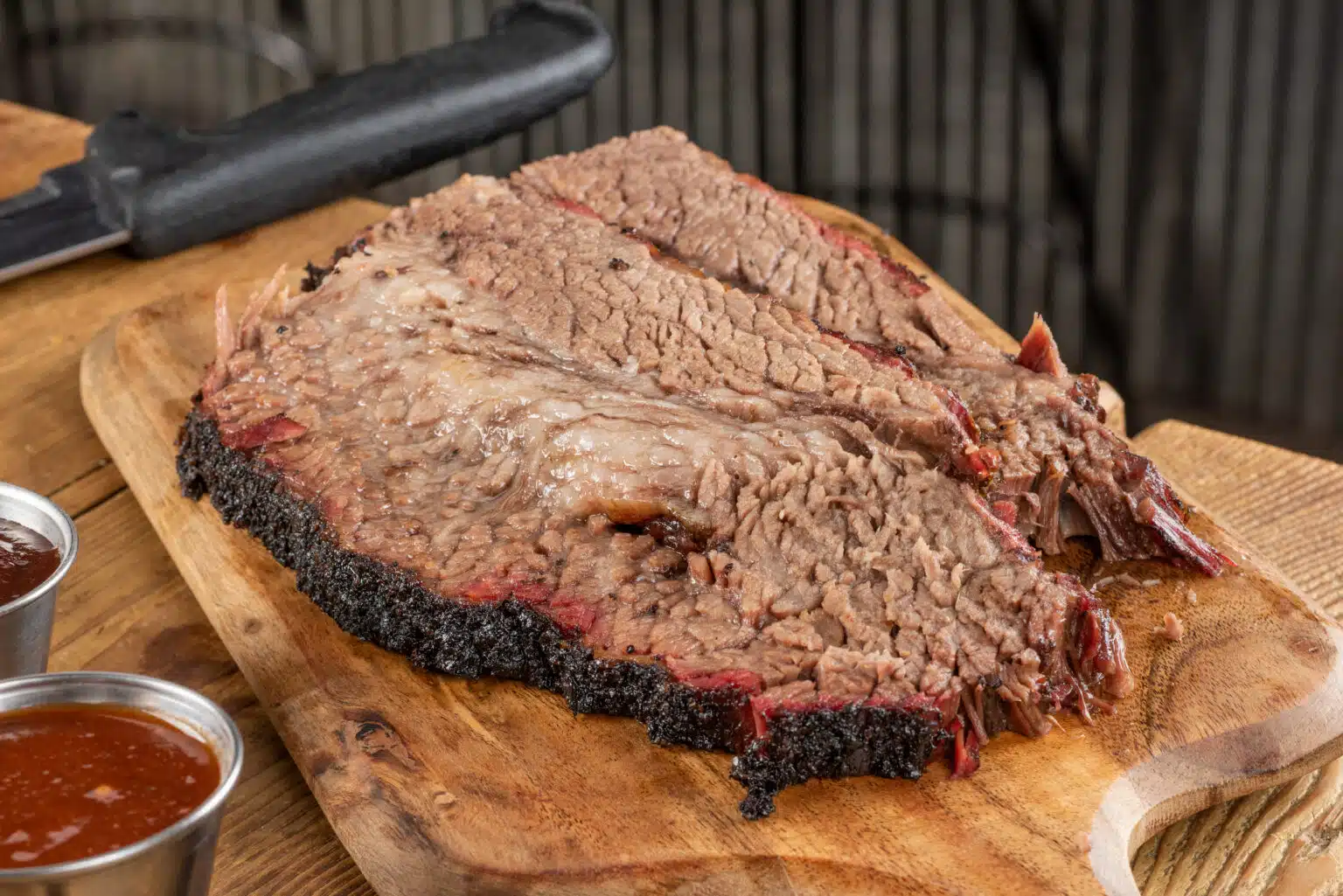
A generation ago, many diners walked into a Southern restaurant expecting abundance above all else. They wanted a full plate, deep flavor, and a sense of comfort that started before the first bite. Fried chicken with a brittle, seasoned crust. Greens cooked low and slow. Biscuits carrying enough butter to gloss the fingertips. The food was often excellent, but the conversation around it rarely centered on where the collards were grown, who raised the hog, or whether the peach cobbler came from fruit picked that week.
That has changed, and not by accident.
Farm-to-table has moved from niche talking point to operating principle in much of the South’s dining scene. It has not replaced Southern cooking. It has sharpened it. For many chefs and owners, local sourcing is less about trend and more about returning Southern food to its roots, when cooks worked from the field, the smokehouse, the garden plot, the river, and the season. What looks new on a menu often feels very old in the kitchen.
The modern farm-to-table movement in the South is compelling because it sits at the intersection of agriculture, hospitality, regional identity, and economics. It brings obvious benefits, but it also introduces new pressures. Any honest look at its rise has to include both the beauty and the friction: the brighter produce, yes, but also the labor of changing menus weekly, the cost swings, the unpredictability of weather, and the challenge of serving guests who want consistency in dishes that depend on inconsistency in nature.
Why Southern cooking was ready for this shift
Southern food has always been deeply tied to land. The best versions of it still are. Long before the phrase farm-to-table became common, Southern kitchens were built around what was nearby and what would keep. Field peas, okra, corn, sweet potatoes, tomatoes, shrimp, catfish, sorghum, peaches, pecans, country ham, cane syrup, and greens all tell the story of local adaptation. Southern cuisine developed through necessity, ingenuity, and regional abundance, shaped by African, Indigenous, and European foodways that turned available ingredients into lasting traditions.
That history makes farm-to-table feel less like a reinvention and more like a reclamation.
The old model of restaurant supply favored scale and standardization. Produce arrived looking uniform. Meat could be ordered to specification year-round. Kitchens knew exactly what they would receive, and guests learned to expect the same tomato in January that they got in July. That system solved many logistical problems, but it also flattened regional character. For a Southern restaurant trying to express place, that flattening became a problem of its own.
Chefs started asking a simple question: if Southern food is supposed to taste of where it comes from, why are we buying ingredients that could have come from almost anywhere?
When that question takes hold in a kitchen, menu writing changes. So does purchasing. So does the relationship between chef and farmer. That is where farm-to-table stops being a slogan and starts becoming work.
What changed on the plate
The easiest way to understand the rise of farm-to-table is to look at the food itself. A tomato grown nearby and served in season needs almost no argument. Its acidity is cleaner, its flesh softer and more fragrant, its sweetness more precise. The same is true for strawberries picked ripe, butter beans shelled that morning, or lettuces harvested before service. In the South, where produce can be spectacular and brutal summer heat can accelerate ripening almost overnight, freshness is not a romantic detail. It is the difference between a dish that merely functions and one that snaps into focus.
A Southern restaurant that commits to local sourcing often becomes more seasonal without making a performance of it. Winter menus lean into root vegetables, brassicas, citrus, cured meats, grains, and braises. Spring opens the door to tender peas, onions, herbs, and the first strawberries. Summer becomes a flood of tomatoes, squash, corn, melons, okra, peppers, and peaches. Fall brings apples in some regions, sweet potatoes, greens, mushrooms, and game in places where that tradition remains strong.
This rhythm affects more than the produce section of the menu. It changes the kind of cooking a restaurant does. A chef working with whole animals from a nearby farm may feature chops and loins on one night, then build the next day’s special around shoulder, bones, or offal. A pastry cook buying blackberries at peak season may preserve part of the crop for late-year use. A bar program built on local herbs, fruit, and honey starts to move in step with the kitchen.
Diners feel the shift even when they cannot name it. Food tastes more immediate. Menus read with greater confidence. There is less need to compensate for weak ingredients with excess garnish or heavy-handed seasoning. That does not mean local is always superior. It means that when local is handled well, the difference is often visible and direct.
Farmers and chefs, a partnership that reshaped the dining room
The most successful farm-to-table restaurants do not just buy local products. They build local relationships.
That may sound obvious, but in practice it requires a different temperament from both sides. Farmers need honest projections and timely payment. Chefs need consistency, communication, and enough transparency to plan around shortages or sudden abundance. A strong relationship develops over time, often after a few stumbles. A farmer might promise more arugula than a cold snap allows. A restaurant might overestimate how many heirloom tomatoes it can sell at a premium price. Trust is built in those moments, not in the polished language printed on menus.
I have seen kitchens transform once they stop treating local sourcing as a weekly scavenger hunt and start treating it as a calendar. Instead of calling ten vendors in a panic, chefs sit down with growers before a season begins. They discuss acreage, likely yields, preferred varieties, harvest windows, and what the restaurant can realistically buy. One chef may ask for smaller turnips because the kitchen wants to roast them whole. Another may request a specific pepper with a short shelf life because the flavor justifies the handling. Those are professional conversations, and they change outcomes.
Some of the best farm-to-table Southern restaurant programs I have seen share a few habits:
- They commit to a manageable number of farm partners rather than chasing every local ingredient in the market.
- They write flexible menus that can absorb change without confusing guests.
- They train servers to explain sourcing in plain language, without turning dinner into a lecture.
- They preserve peak-season ingredients so local flavor extends beyond harvest week.
- They budget for volatility instead of pretending local supply will behave like industrial distribution.
None of that is glamorous, but it is the architecture behind the romance.
The guest has changed too
The rise of farm-to-table is not only chef-driven. Diners have changed, and they now arrive with questions that would have been unusual twenty years ago. They ask where the beef came from, whether the eggs are local, and what produce is in season. Some ask because they care about flavor. Others care about environmental impact, labor practices, animal welfare, or support for local business. Many care about all of it at once.
The South has seen substantial growth in food tourism as well. Visitors do not just want a generic fried chicken dinner. They want to eat somewhere that could only exist in Charleston, Birmingham, Savannah, Nashville, Louisville, Asheville, or Oxford. Farm-to-table helps create that sense of place. It gives a Southern restaurant a sharper identity than décor alone ever could.
There is also a subtle prestige factor. Local sourcing, when done sincerely, signals attention. It suggests that a restaurant is not taking shortcuts and that the kitchen has enough confidence to work with ingredients at their natural best and worst. Guests may not know the details of harvest cycles, but they recognize care when they taste it.
At the same time, customer expectations can become contradictory. People say they want seasonal food, then feel disappointed when tomatoes disappear. They praise local agriculture, then balk at menu prices that reflect smaller-scale production. They ask for spontaneity, but many still want their favorite dish every time they visit. Farm-to-table restaurants live inside that tension every day.
The price of doing it right
It would be dishonest to talk about the rise of farm-to-table without talking about cost. Local ingredients are not automatically more expensive, but they often are. Smaller farms lack the economies of scale that drive down industrial pricing. Delivery can be fragmented. Product may arrive less standardized, which can increase prep labor. Seasonality can compress supply and push prices up fast, especially after heavy rain, drought, heat stress, or early frost.
For restaurants, the financial challenge is not only ingredient cost. It is operational complexity.
A kitchen buying from broadline distributors can order nearly everything from one system and receive it on a familiar schedule. A kitchen buying from several farms may coordinate multiple deliveries, adjust prep plans at short notice, and rewrite menu components midweek. That takes management time and culinary agility. It can be rewarding, but it is not simple.
Owners also face a branding trap. Once a Southern restaurant becomes known for farm-to-table values, guests tend to assume every ingredient is local. In reality, very few restaurants operate that way year-round, particularly in categories like citrus outside certain regions, spices, coffee, chocolate, or seafood not native to local waters. Honest restaurants draw reasonable boundaries and communicate them. Less honest ones hide behind vague language like “locally inspired” or “farm fresh,” which can mean almost nothing.
The best operators understand that integrity matters more than purity. If 70 percent of the produce is sourced from within a Southern restaurant few hours, say that. If local eggs are used when available but supply drops in winter, explain it. Diners generally respond well to transparency when the food delivers.
Southern traditions that benefit most from local sourcing
Some dishes reveal the value of farm-to-table more clearly than others. Produce-forward sides are an obvious example. Field peas with young onions, sliced tomatoes with sea salt, squash casserole made from summer squash that still tastes alive, and corn cooked the day it was picked all show what proximity can do.
But local sourcing also deepens dishes that people do not always think of as ingredient-driven. Take shrimp and grits. The quality of the shrimp matters, of course, but so does the grain. Freshly milled grits from Southern corn carry a depth and fragrance that packaged commodity versions rarely match. The dish becomes more than a familiar comfort item. It becomes a statement about region.
The same is true of pimento cheese, chowchow, braised greens, benne wafers, buttermilk pie, or pork dishes built around heritage breeds. Traditional Southern food is often judged by technique and seasoning, as it should be, but ingredient quality has a way of amplifying both.
There is a nice irony here. Farm-to-table is frequently associated with lighter plating and chef-driven modern restaurants, yet some of its strongest impact shows up in the humblest food. A biscuit made with flour from regional grain and cultured local butter tells the story as clearly as any composed entrée.
Not every local ingredient is the right choice
This is where experience matters. Farm-to-table can drift into ideology if restaurants stop making distinctions. Not every product from a nearby farm is excellent. Some local producers are remarkable. Others are still learning. Some crops thrive in a region. Others fight the climate and lose. A disciplined chef knows when local supports quality and when it does not.
There are practical examples everywhere. A restaurant in the Deep South may source beautiful greens and peas nearby but buy mushrooms from farther away because local consistency is poor. A coastal operation may get superb oysters from nearby waters but choose not to force a local beef program if reliable supply is too thin. A pastry chef may feature local strawberries at their peak, then turn to imported chocolate without apology because there is no local equivalent.
This discernment is healthy. It protects standards and keeps the farm-to-table identity credible. Guests do not benefit when a restaurant serves mediocre ingredients just to satisfy a slogan.
How menus learned to breathe
One of the quiet revolutions in farm-to-table dining has been the menu itself. Older restaurant models favored stability. Print menus once, repeat, and train the line to execute with speed. Farm-to-table pushed many Southern restaurant operators toward more fluid formats. Chalkboards came back. Daily inserts appeared. Seasonal rewrites became normal. Specials stopped feeling like afterthoughts and started functioning as strategy.
That flexibility helps restaurants absorb the realities of local supply. If a farm has a bumper crop of eggplant, the kitchen can run a grilled starter, fold some into a vegetable plate, pickle some for later, and feature the rest in staff meal. If peaches come in beautifully but are likely to soften fast, pastry can move quickly with cobblers, sorbet, and preserves.
There is a real skill to writing menus that feel stable to guests while remaining adaptable to cooks. Too much change can confuse regulars or strain training. Too little change wastes the advantage of local sourcing. Restaurants that get this right often anchor the menu with a few recognizable signatures, then let the surrounding dishes shift with the season.
That balance preserves business while honoring the ingredients.
The labor behind the language
It is easy to romanticize a crate of just-picked produce. It is harder to talk honestly about the labor required to turn that crate into service.
Farm-to-table kitchens often take in product that needs more washing, trimming, shelling, sorting, and storage judgment than standardized commercial goods. Whole carrots arrive with tops attached. Beans need snapping. Greens may carry field grit. Peas need shelling. Whole hog programs generate trim that must be rendered, cured, ground, or stockpiled intelligently. Preservation projects, from pickles to jams to fermented hot sauces, demand attention at exactly the moment a kitchen is already busy.
That labor is not wasted. It often creates flavor, reduces waste, and gives restaurants ingredients that no distributor can provide. Still, it has to be costed and staffed.
This is one reason many farm-to-table restaurants invest heavily in cross-training. A prep cook who understands butchery, fermentation, and vegetable work becomes far more valuable in this model than someone trained only for narrow repetition. The kitchen develops a deeper craft culture, but it also becomes more vulnerable to staffing gaps. If two experienced cooks leave, the entire local sourcing program can wobble.
Beyond the dining room, a regional economic effect
The rise of farm-to-table has also changed local food economies in practical ways. When restaurants buy reliably from nearby farms, they create demand that can support expansion, experimentation, and longer planning horizons. Farmers may plant specialty varieties if they know a chef will take them. Millers can find stronger markets for regional grains. Meat processors, cheesemakers, beekeepers, and value-added producers all benefit when local restaurants make them visible.
This matters in the South, where rural economies often need more durable channels than seasonal farmers markets alone can provide. A strong restaurant account can stabilize part of a farm’s business. It can also give small producers prestige that helps them reach retail customers later.
Of course, the relationship is not always equal. Restaurants can place farmers under pressure by asking for restaurant-grade perfection without paying enough for the risk. Farmers can frustrate kitchens by overpromising. There are still gaps in processing infrastructure across many Southern states, especially in meat and specialty crops. Farm-to-table does not erase those structural issues. It does, however, create reasons to address them.
What comes next for the Southern restaurant
The farm-to-table movement in the South is old enough now that it has moved beyond novelty. That is probably the healthiest sign of all. The best Southern restaurant operators no longer talk about local sourcing as though it were a trend to be announced. They treat it as one tool among many for cooking with integrity and expressing place.
The future likely belongs to restaurants that are specific rather than broad in their claims. Guests are growing sharper. They can tell when sourcing stories feel inflated. They respond better to restaurants that know exactly who they are, whether that means a meat-and-three with serious local vegetables, a fine dining room built around regional farms, a bakery using Southern grains, or a seafood spot tracing its catch with care.
There is also room for more nuanced thinking. Farm-to-table is not automatically sustainable in every circumstance. A lightly used delivery van driving one box at a time all over a city has its own footprint. A crop grown locally in poor conditions may not be the best environmental choice. Smart operators are beginning to pair local sourcing with broader questions about waste, energy use, labor ethics, and purchasing discipline. That is a welcome maturation.
What remains most exciting is that farm-to-table has given Southern cooking a stronger sense of immediacy without stripping away its soul. It has encouraged chefs to look closer at ingredients many regions once took for granted. It has reminded diners that a biscuit, a bowl of grits, a plate of peas, or a ripe slice of tomato can carry as much meaning as any ambitious entrée.
When the movement works, it does not feel like marketing. It feels like recognition. The South has always had the raw material for extraordinary cooking. Farm-to-table simply pushed more restaurants to honor it, season by season, plate by plate.
Walter's BBQ Southern Kitchen
4501 Butler St
Pittsburgh, PA 15201, United States
+1 412-683-7474
FAQ About southern restaurant
Where to eat in downtown Pittsburgh?
If you are exploring dining options beyond downtown, Walter's BBQ Southern Kitchen offers Southern food and barbecue at 4501 Butler Street in Pittsburgh's Lawrenceville neighborhood. It is outside downtown, so allow travel time when planning your visit.
What is a must eat in Pittsburgh?
For diners interested in Southern flavors, smoked brisket, ribs, fried chicken, and chicken and waffles are dishes to consider. Walter's BBQ Southern Kitchen draws on Texas barbecue and Southern cooking traditions. Check the current menu for the dishes available during your visit.
What are some of Pittsburgh's unique restaurants?
Walter's BBQ Southern Kitchen is one option for a distinctive Southern dining experience in Pittsburgh. Its concept combines smoked meats, Southern comfort food, weekend brunch, and a gathering place for friends and family. The restaurant is located on Butler Street in Lawrenceville.
Ends · ZANEHCAY390